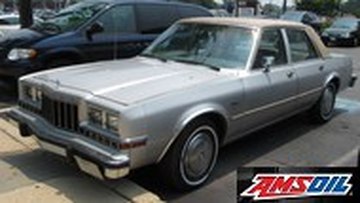
Engine Lubrication and Maintenance for the 1982 Dodge DIPLOMAT 3.7L
Maintaining a vehicle from the early 1980s requires a proactive approach to fluid management and mechanical inspection. For owners of the 1982 Dodge Diplomat equipped with the 3.7L engine, consistent attention to lubrication is a fundamental aspect of long-term engine health. Because older engines may exhibit different sealing characteristics than modern counterparts, understanding how to monitor and respond to changes in lubricant condition is essential for effective ownership.
Monitoring Lubricant Condition and Consumption
One of the most practical ways to monitor the health of the 3.7L engine is through regular observation of the oil's appearance and level. Changes in these factors can serve as early indicators that require further investigation. For instance, if you notice a significant change in how often the oil level needs to be topped off, it warrants a closer look at the engine's sealing surfaces.
When performing routine checks, pay attention to several specific signs:
- Visual Seepage: Inspect the area around the engine for any evidence of fluid weeping or active leaks. This may indicate that gaskets or seals are beginning to lose their effectiveness due to age or heat cycles.
- Lubricant Color and Texture: While oil naturally darkens over time, extremely rapid discoloration or a gritty texture can be associated with internal contamination or extended service intervals.
- Exhaust Observations: Any unusual smoke patterns from the exhaust may indicate that oil is entering the combustion process, which should be investigated to prevent further issues.
It is important to remember that these symptoms can have multiple causes. A change in oil consumption or a visible leak does not always point to a single specific component; rather, it serves as a signal to perform a more thorough inspection of the engine bay.
Prioritizing Maintenance Based on Current Condition
For an older vehicle like the 1982 Dodge Diplomat, maintenance should be driven by the actual condition of the components rather than just the age of the car. If you have recently acquired this vehicle and do not have a complete service history, establishing a baseline is a logical first step. This involves performing a comprehensive inspection of all fluids and major engine-related components to understand the current state of the machine.
When reviewing maintenance needs, prioritize tasks based on immediate observations. If you detect active seepage or notice that the oil level is dropping more rapidly than expected, these issues should take precedence over general preventive tasks. Furthermore, if service records are incomplete, treating the vehicle as though it requires a fresh baseline of fluids and filters can provide peace of mind and help prevent future complications.
Effective long-term ownership also involves distinguishing between necessary repairs and unnecessary parts replacement. Rather than replacing components simply because they are decades old, focus on inspecting them for actual signs of wear, such as cracking in accessible belts (if equipped) or deterioration in rubber hoses, if present. This condition-based approach ensures that maintenance efforts are both efficient and effective.
Systematic Inspection of Engine Bay Components
A routine visual inspection can reveal much about the overall health of the 3.7L engine. When you are under the hood, take a moment to look beyond just the oil dipstick. A systematic approach helps ensure that nothing is overlooked during your service intervals.
If equipped, inspect accessible drive belts for signs of glazing, fraying, or surface cracking. Similarly, if the vehicle has various rubber hoses present, check them for softness, swelling, or evidence of leaks at their connection points. Electrical connections and wiring harnesses should also be inspected for any signs of brittleness or corrosion, as these can impact overall engine performance.
Additionally, checking the condition of the air filtration system is a vital part of engine care. A clean air intake ensures that the engine is not working harder than necessary to pull in air, which helps maintain efficient operation and reduces the amount of debris that could potentially enter the internal engine environment.
The Role of Clean Lubrication in Engine Longevity
Engine oil performs several vital roles that are critical to the continued operation of the 3.7L powerplant. Beyond simply reducing friction between moving parts, the lubricant acts as a medium for heat management and helps to carry away contaminants produced during engine operation. Over time, even high-quality lubricants can accumulate microscopic debris or undergo chemical changes due to thermal stress.
Regularly replacing the oil and filter prevents the buildup of deposits that could otherwise interfere with the smooth movement of internal components. By maintaining fresh lubricant, you help ensure that the engine remains protected against the gradual effects of oxidation and contamination. This consistent care is one of the most effective ways to manage the mechanical stresses placed on an older engine during operation.
Effective Record Keeping for Older Vehicles
For owners of a 1982 Dodge Diplomat, maintaining a detailed log of all service performed can be incredibly beneficial. A well-kept record provides more than just a history; it acts as a diagnostic tool. By tracking when oil was changed, which products were used, and when specific components like belts or hoses were inspected, you can identify patterns that might otherwise go unnoticed.
If you notice that the engine requires more frequent oil top-offs or if a certain component seems to fail more often than expected, your records will allow you to see exactly how long those issues have been persisting. This data is invaluable when discussing repairs with a technician or when deciding on the next steps for long-term maintenance. Even a simple notebook or digital file documenting dates, mileage, and specific observations can significantly improve your ability to manage the vehicle's health.
Practical Advice for Buying Engine Oil for the 1982 Dodge DIPLOMAT 3.7L
When it is time to replenish your engine lubricant, the most important step is to ensure that the product you select matches the specific requirements of your application. For this 1982 Dodge Diplomat with the 3.7L engine, do not rely on general automotive knowledge or assumptions based on the vehicle's age to determine which oil to use.
Instead, match the engine oil to the application-specific viscosity and requirements already displayed in the information section of this webpage. Before making a purchase, carefully check the product labeling to verify that it meets the necessary standards for your specific engine. Depending on your current maintenance goals and the condition of your engine, you may choose between conventional, synthetic blend, or full synthetic formulations. Some high-mileage oil formulations also contain additives intended for use in aging engines, including seal-conditioning additives, which may be a consideration if you have observed minor seepage.
Always prioritize the specific guidance provided on this page to ensure that your 1982 Dodge Diplomat receives the correct lubrication for its unique engine configuration.